Nelson Plant Guy
Monstera Deliciosa ‘Sphinx Mint’ – Tissue Culture – Coming Soon
Monstera Deliciosa ‘Sphinx Mint’ – Tissue Culture – Coming Soon
Out of stock
Couldn't load pickup availability
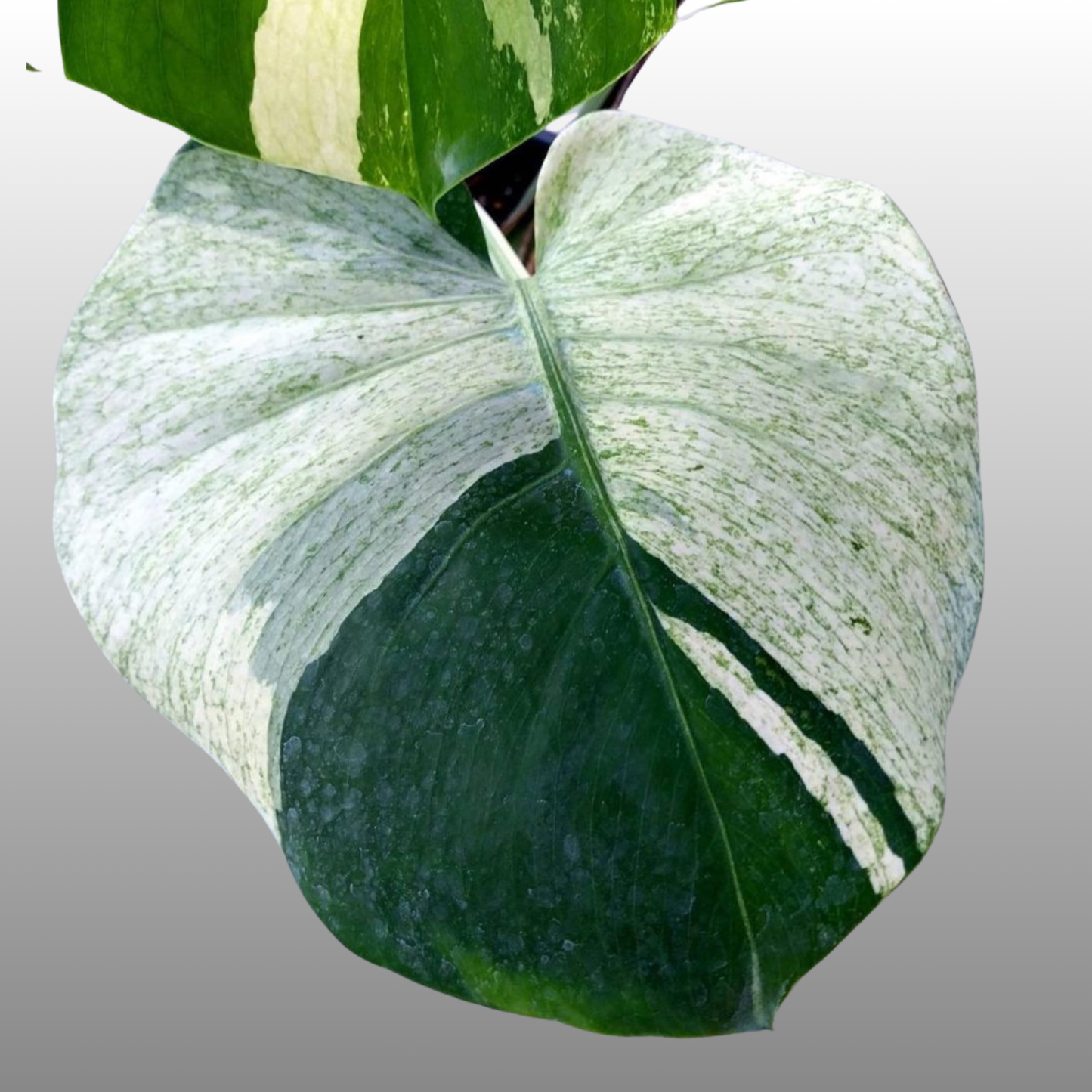
🌿 Monstera Deliciosa ‘Sphinx Mint’ – Frosted Mint Variegation with Intricate Detail
Frosted, refined and highly collectible, Monstera Deliciosa ‘Sphinx Mint’ is recognised for its distinctive mint-toned variegation, combining creamy pale areas with fine green speckling to create a beautifully layered appearance.
Rather than the sharp contrast of traditional white-variegated Monsteras, Sphinx Mint produces a softer, almost washed effect. Mint, cream and varying shades of green blend through each leaf as speckling, marbling and lighter contrasting sections.
As the plant establishes and matures, its foliage becomes larger and increasingly fenestrated, giving the intricate mint patterning more space to develop and creating an impressive mature collector specimen.
✨ Tissue Culture Information
This plant is supplied as a young tissue-culture plantlet and must be carefully acclimatised after removal from its sealed growing environment.
Every order includes an NPG Tissue Culture Acclimation Pack. Please read both guides before purchasing or deflasking your plantlet:
• NPG Tissue Culture Acclimatisation Protocol
• NPG Tissue Culture Acclimation & Aftercare Guide
Tissue-culture plantlets are young, living plants, and some loss is always possible during acclimation. Please ensure you have an appropriate growing environment and are comfortable with the process before purchasing.
✨ Care Once Acclimatised
Provide bright, indirect light, moderate to high humidity and warm, stable temperatures of approximately 18–28°C. Keep the substrate lightly and evenly moist without allowing it to remain saturated.
Once fully acclimatised, plant into our NPG Aroid Formula or another chunky, free-draining aroid mix. Provide sturdy vertical support to encourage larger foliage and increasingly mature fenestration.
🌱 NPG Tip
Sphinx Mint’s colouring can continue changing as each new leaf emerges and hardens, so give the foliage time to develop before judging its final appearance.
Stable warmth, bright indirect light and consistent care will support strong growth while allowing its fine mint speckling and frosted variegation to become increasingly impressive.
Terms & Conditions
Discount codes, rewards and promotional offers cannot be applied to this special offer.
Free shipping is unavailable due to the specialised packaging and handling required to help your plantlet arrive in the best possible condition.
Product images are examples only. Individual plantlets will naturally vary in size, leaf count, visible variegation and colour distribution.